Aphrodisiacs are substances believed to heighten sexual desire or potency. Very often they are simply ordinary foods and drinks. Champagne, coffee spiced with ginger, cinnamon and goat’s milk, seafood, and apricots blended with royal jelly have long been credited with such powers. One of the strongest aphrodisiacs is said to be yohimbine – an alkaloid from the bark of the African yohimbe tree. It is, however, a substance with a powerful effect on the heart and blood pressure, and it can be dangerous to health.
It is worth saying straight away that the effects of most aphrodisiacs have never been scientifically confirmed; their reputation rests mainly on tradition, belief and the power of suggestion.
Types of aphrodisiacs
By their intended purpose, aphrodisiacs can be divided into two groups:
- remedies that are usually magical in character, often so-called love potions, meant to make someone fall in love with or feel attracted to a particular person – in Polish folk tradition these were once called “lubczyki”, after the lovage plant;
- substances meant to boost sexual performance, most often by improving a man’s erection or arousing a woman, not necessarily with any connection to love.
By the way they work, on the other hand, several kinds of aphrodisiac can be distinguished:
- magical – in most cases containing no substances that could affect the body in the hoped-for way;
- magical or folk remedies credited with a real effect thanks to the substances they contain;
- folk or traditional remedies with no magical dimension – most often particular foods or drinks. Sometimes tradition attributes aphrodisiac properties to dishes made from ingredients whose shape brings the male member to mind (asparagus, morels, young bamboo shoots, leeks). Some of them may genuinely benefit sexuality, for instance thanks to a high content of certain trace elements and vitamins or their high calorie value. Eating some “aphrodisiacs” can, however, be extremely dangerous – one example is the Japanese fugu fish, which contains a deadly poison;
- natural and folk medicine remedies – science has tested some of them, while others have proved harmful. So-called Spanish fly (cantharides, containing cantharidin) is a powerful poison that can cause severe kidney damage and even death. Faith in traditional remedies also fuels the hunting of endangered animals and the gathering of protected plants – rhino horn, used in Chinese medicine, is a telling example;
- modern medicines – products offered by pharmaceutical companies work in different ways. Some rely mainly on the placebo effect, reinforced by carefully chosen vitamins and trace elements; others improve blood flow to the erectile tissue of the penis or act on the nervous system. Erectile dysfunction drugs are prescription-only and should be taken solely under a doctor’s supervision;
- alcohol and intoxicants – these usually work by lowering inhibitions, shyness and embarrassment, or by inducing euphoria and excitement. They carry serious health risks, however, and have nothing to do with safely “helping love along”.
Cosmetics that, according to their manufacturers, contain human pheromones and are supposed to make the wearer more sexually attractive are also a kind of aphrodisiac.
Examples of aphrodisiacs
Tradition and popular culture attribute aphrodisiac powers to a great many products:
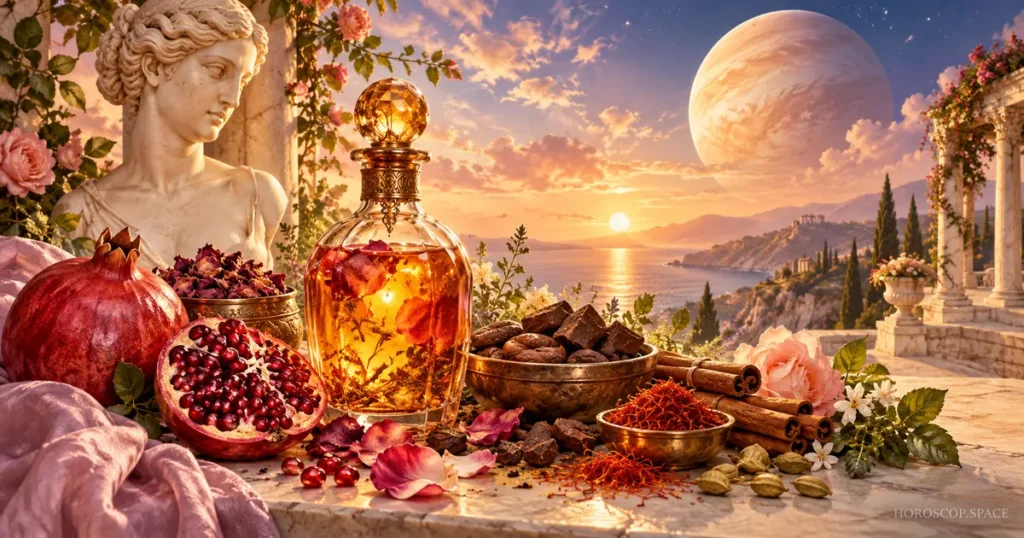
- foods: avocado, strawberries, steak (especially rare, or steak tartare), onions (particularly onion soup), chocolate, game, mushrooms (gypsy mushrooms, morels, truffles), eggs (especially quail’s eggs), caviar, mussels, honey, walnuts, oysters, leeks, fish (including trout and sardines), celery, cheeses (Roquefort, goat’s cheese), dried fruit (dates, figs, apricots) and asparagus;
- spices: chilli, horseradish, cinnamon, garlic, savory, nutmeg, ginger, cardamom, pepper, cayenne pepper, vanilla and capers;
- herbs and plant preparations: lotus, lovage, muira puama, damiana (turnera), ginkgo preparations, and ginseng sweets and teas;
- drinks: hot chocolate, cocoa, coffee, champagne, various alcoholic cocktails and milkshakes, and goat’s milk;
- substances on the borders of medicine: royal jelly, vitamin supplements, as well as medicines and hormonal preparations, which should only ever be prescribed by a doctor.
Old lists of aphrodisiacs also included poisonous or psychoactive plants, such as Syrian rue, the seeds of certain morning glories and alkaloid-containing cacti. Using them is dangerous and should not be attempted.
Aphrodisiacs in the past
In the Middle Ages witches were famed for their skill in brewing magical potions to kindle sexual desire. Typical ingredients of such mixtures included tree resin, animal testicles, oysters, lizards, quails, beans and hair from the man who was to be bewitched. Later tomatoes joined them, known as love apples – only after Columbus had reached America, of course. Among vegetables, artichokes, asparagus, leeks, parsnips, turnips, lettuce and cabbage served as aphrodisiacs, and among fungi, truffles.
Plant remedies included mandrake, a highly poisonous plant, and a member of the orchid family – the frog orchid (Coeloglossum), whose leaves and stems were dissolved in goat’s milk. Powdered rhino horn, mistakenly considered an aphrodisiac, was also popular. In China, ginseng root has been prized for centuries.
Women commonly prepared dishes and concoctions meant to increase their partner’s desire. Some of the old recipes were downright drastic and today provoke astonishment more than anything else – one advised serving a husband a dish made from a fish that had first been placed alive in the vagina until it died. Another popular custom was to smear the skin with honey and sprinkle it with wheat. The grain was then scraped off and ground in a quern, and the most important thing was to turn the handle anticlockwise – turning it the other way was supposed to cause impotence. Bread was baked from the resulting flour and served to the partner. The way the dough was kneaded mattered too: it had to be done between the thighs, and the higher up, the better the effect was meant to be.
First published (Polish original): 3 March 2009. Written by astrologers and esoteric specialists working with our editorial team; edited and translated for HOROSCOP.SPACE. © All rights reserved.